Is Meal Kit Delivery Actually Worth It? (The Honest Answer)
Americans spent over $11 billion on meal kit delivery in 2024, and roughly half of first-time subscribers cancel within three months. Both of those facts tell you something real.
The honest answer is: meal kits are worth it for some people, some of the time, under specific conditions. They are not a universal upgrade to how you feed yourself. The marketing makes them sound like a cure for dinner stress, a cooking school in a box, and a grocery bill reducer all at once. They are none of those things, entirely. But for certain households, they solve a real problem better than the alternatives.
This guide is going to give you the full picture — actual per-serving costs compared to real-world alternatives, which services hold up after the intro discount expires, who genuinely benefits, and the mistakes that turn a potentially useful subscription into a monthly money drain. No hype, no vague recommendations, no hedging.
How Much Do Meal Kits Really Cost Per Serving (And How It Compares to Alternatives)
Let's start with the number everyone wants. Meal kits typically run $9 to $13 per serving once you're past the introductory pricing. Here's what that looks like across the major services in 2026:
- HelloFresh: ~$9.50–$11.50/serving (2-person plans are pricier per serving than 4-person)
- Home Chef: ~$9.99–$12.99/serving
- Green Chef: ~$12–$14/serving (organic/specialty ingredients)
- EveryPlate: ~$6.49–$9/serving (budget tier, simpler meals)
- Marley Spoon: ~$9–$13/serving
- Factor (prepared meals): ~$11–$15/serving
Those numbers only cover the food. Most services charge a flat shipping fee of $9–$11 per box, which effectively adds $2–$3 per serving on a two-person plan.
The Comparison Most Reviews Skip
When people ask whether meal kits are worth it, they compare to the wrong things. They compare to cooking from scratch with perfect grocery discipline — buying only what they need, no waste, no impulse purchases. That's not real life.
Here's a more honest comparison for a weeknight dinner for two:
| Option | Real Cost Per Serving | Time | Dishes |
|---|---|---|---|
| Meal kit (HelloFresh, 2-person) | ~$12–$13 including shipping | 30–45 min | Moderate |
| Grocery store from scratch | $4–$7 (with waste factored in) | 45–60 min + shopping | Moderate |
| Fast casual (Chipotle, Sweetgreen) | $13–$18 | 20 min including pickup | None |
| Casual sit-down restaurant | $20–$35+ with tip | 60–90 min | None |
| Frozen meals (Amy's, Trader Joe's) | $5–$9 | 10 min | Minimal |
| Grocery delivery + cooking | $5–$8 | 40–50 min | Moderate |
The real competitor for meal kits isn't the idealized version of home cooking. It's takeout, delivery, and the random "what do I make tonight" spiral that ends in DoorDash. Compared to those habits, $12–$13 per serving starts looking reasonable for a sit-down meal you cooked yourself.
The real competitor is also time. Meal kits pre-portion everything and provide a tested recipe. You're not researching what to make, driving to the store, or figuring out what to do with half a bunch of cilantro. That convenience has value — but only if you actually use it.
What You're Actually Getting: Breaking Down the Value Beyond the Price Tag
Price per serving is one input. What you actually receive is the rest of the equation.
Pre-Portioned Ingredients With Zero Waste
This is the most underappreciated feature. When a HelloFresh recipe calls for 2 teaspoons of smoked paprika, they send you 2 teaspoons of smoked paprika. You don't buy a $6 jar and use 2 teaspoons once. For households that don't cook regularly, this eliminates the pantry graveyard of half-used spices, wilting vegetables, and condiments that get used once a year.
The USDA estimates the average American household throws away between $1,500 and $1,900 worth of food annually. If you're in that camp, the "premium" you pay for a meal kit versus grocery store ingredients is partly offset by not throwing produce away.
Recipe Development and Variety
Services like HelloFresh offer 40+ recipes per week. Green Chef rotates cuisines from Korean bibimbap to Moroccan-spiced chicken. Marley Spoon leans into restaurant-quality techniques without assuming you're already a confident cook. You're not paying just for ingredients — you're paying for someone to have already solved the "what do we eat tonight" problem.
That said, recipe quality varies wildly across services. HelloFresh recipes tend to be reliable but occasionally bland. Home Chef often delivers more satisfying flavor profiles. Green Chef's recipes are genuinely interesting — if you want to cook something that doesn't taste like a meal kit, it's the one worth trying.
A Cooking Education (If You Pay Attention)
After six months of meal kits, most subscribers have learned 15–20 new techniques or flavor combinations without a single cooking class. You start understanding why you bloom spices in oil first, how to properly sear a piece of chicken, or what finishing with acid does to a dish. This spillover effect into your general cooking is real, even if nobody advertises it as a feature.
Who Meal Kit Delivery Is Worth It For (And Who Should Skip It)
Meal kits are not right for everyone. Being specific about this saves you time and money.
Worth It For:
Couples and small households who eat out too much. If your honest weekly spend on restaurants and delivery is $150–$250 for two people, a meal kit subscription at $60–$80/week for three dinners represents real savings, with better nutrition and almost as little effort on the prep side.
People learning to cook. The pre-portioned format with step-by-step instructions removes every barrier. You can make a proper pan sauce or assemble a Thai salad dressing without googling five different things. HelloFresh and Home Chef are particularly good for this use case.
Households with decision fatigue around dinner. The mental load of meal planning, ingredient procurement, and recipe selection is real. Some people are perfectly capable cooks who just hate deciding what to make. Meal kits solve that specific problem.
People with dietary restrictions who struggle to find variety. Services like Green Chef (keto, Mediterranean, plant-based options) and Purple Carrot (fully plant-based) give structured, tested recipes within those constraints, rather than making you adapt every recipe yourself.
Families trying to eat more variety. A four-person HelloFresh or Home Chef plan, at around $8–$9 per serving with the 4-person discount, can be cost-competitive with a solid grocery trip — especially if the alternative is rotating through the same five meals you always make.
Skip It If:
You already meal plan efficiently. If you shop with a list, use what you buy, and cook 5+ nights a week without stress, meal kits add cost without solving any real problem.
Your household has very unpredictable schedules. Meal kits require you to actually cook those meals within about 4–5 days of delivery. If your week derails constantly — travel, late work nights, kids' activities — you'll throw away expensive ingredients. Prepared meal delivery like Factor or frozen meals serve this use case better.
You're cooking for 5 or more people. The economics don't scale well. Most services cap plans at 4 servings, meaning you'd need two deliveries or supplemental cooking anyway.
You care a lot about sourcing and ingredient quality above all else. Standard meal kits use decent but not exceptional ingredients. If you're the type to buy heritage pork from a local farm or insist on single-origin olive oil, you'll be disappointed.
The Hidden Costs Most Meal Kit Reviews Don't Warn You About
The sticker price is not the full story. Here's what catches people off guard.
Shipping Fees Stack Up Fast
Almost every major service charges $9–$11 per delivery. On a two-person, two-meal plan, that's roughly $2.50–$3 extra per serving. Over a year of weekly deliveries, you've paid $468–$572 just in shipping. Check whether any service offers free shipping above certain order thresholds before you commit.
The Intro Discount Cliff
Every service offers a significant first-box discount — sometimes 60–70% off. HelloFresh regularly runs "free" first boxes. That's fine, but your brain anchors to that price. When week two costs $72, the shock is real. Budget from the full price, not the introductory rate.
Packaging Waste (and the Hidden Time Tax)
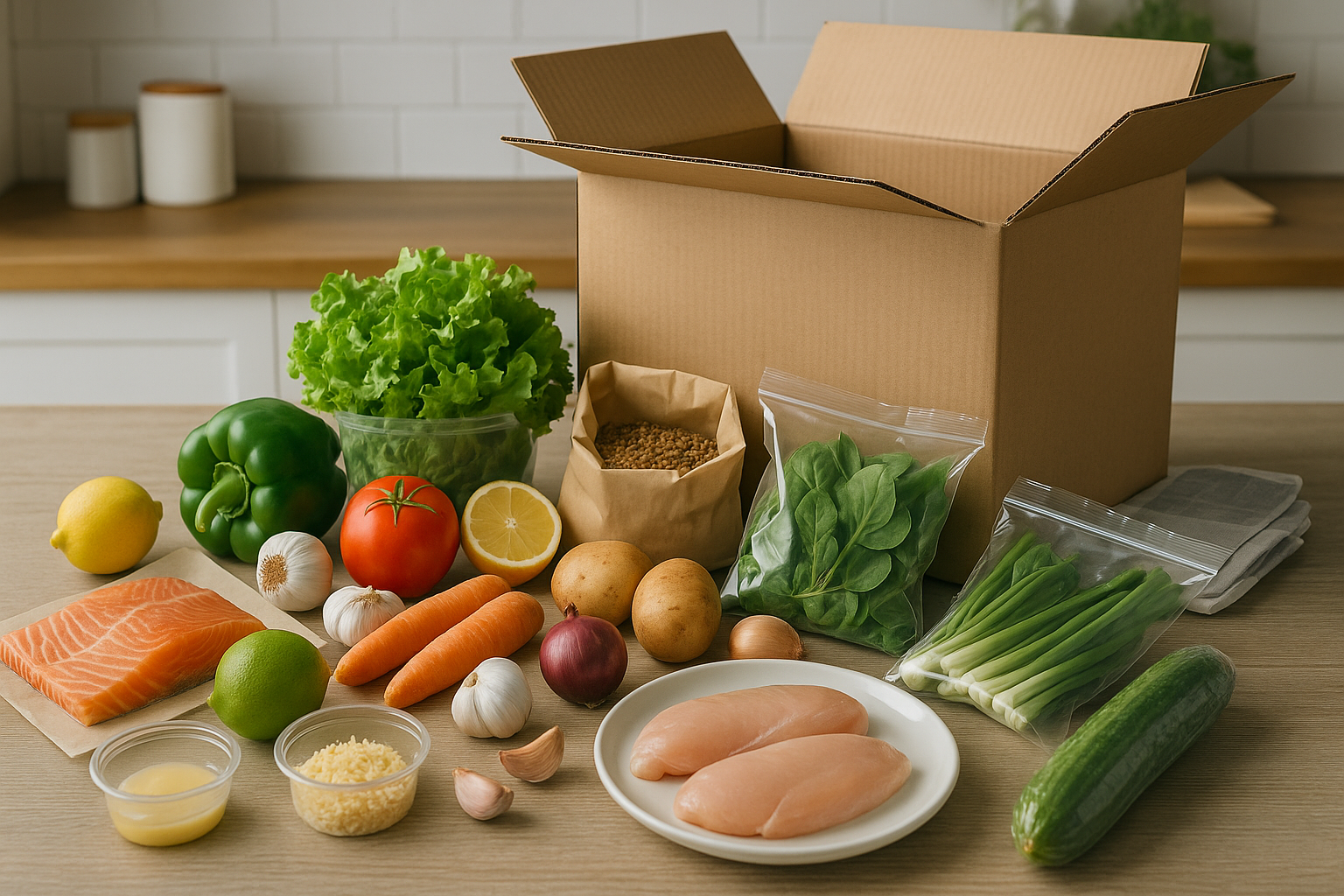
A typical meal kit box contains gel ice packs, insulated liners, plastic bags, individual spice pouches, and multiple layers of packaging per ingredient. Some services offer recycling programs (HelloFresh has a partnership with TerraCycle), but the reality is most of that packaging ends up in landfill. Beyond the environmental concern, there's the time to break down and dispose of it — a minor annoyance that adds up over time if you're someone who notices these things.
The "We'll Just Skip This Week" Trap
Meal kit services make pausing easy on purpose, but they also make resuming automatic. Several subscribers report charges they didn't expect because they forgot to pause in time. Most services require you to skip by a specific cutoff — often 5–6 days before delivery. Miss it once and you've just paid for a box you didn't want. Set a recurring calendar reminder the day you subscribe.
Add-Ons and Upgrades
Most services now offer premium protein upgrades (lobster tails, wagyu beef), add-on desserts, ready-to-heat sides, and wines. These are marketed aggressively during checkout and in your weekly menu selection. A $10 wine add-on here, a $6 premium protein there — it's easy to drift from a $75 box to a $105 box without noticing.
Top Meal Kit Services Ranked by Value for Money
Here's an honest ranking of the major services for 2026, with trade-offs included.
1. EveryPlate — Best Pure Value
Starting at ~$6.49/serving, EveryPlate (owned by HelloFresh) cuts everything back to offer the lowest price point in the category. Recipes are simpler, menus are smaller (roughly 25 options per week), and ingredient quality is basic. But the meals are solid and the instructions are clear.
Best for: Budget-conscious households, large families, people who want weeknight simplicity without culinary ambition.
Weakness: Limited variety, no specialty dietary tracks.
2. HelloFresh — Best for Beginners at Scale
The most popular service for a reason. ~$9.50–$11.50/serving. Massive menu (40+ recipes weekly), reliable recipes, good app experience, easy to pause. Not the most exciting cooking, but consistently functional.
Best for: First-time meal kit users, households that need variety and easy execution.
Weakness: Recipes can be formulaic and underseasoned; shipping fee hurts smaller plans.
3. Home Chef — Best for Flavor Satisfaction
Often overlooked. ~$9.99–$12.99/serving. Home Chef's recipes tend to produce more satisfying results than HelloFresh — better seasoning, more interesting sauces, good protein quality. They also offer oven-ready and microwave options if you want some weeks off from full cooking.
Best for: Households that care about the actual taste of the meal and want flexibility in effort level.
Weakness: Smaller menu than HelloFresh; fewer specialty dietary options.
4. Green Chef — Best for Dietary Lifestyles
Certified organic ingredients, ~$12–$14/serving. Green Chef takes dietary tracks seriously — keto, Mediterranean, plant-based, gluten-free — rather than just slapping a label on a standard recipe. Recipes are genuinely interesting and teach technique.
Best for: Anyone on a specific dietary protocol, food enthusiasts who want creative meals.
Weakness: Premium pricing; smaller household plans.
5. Marley Spoon — Best for Serious Home Cooks
~$9–$13/serving, developed in partnership with Martha Stewart. Recipes are restaurant-quality in ambition, with interesting ingredient combinations and real technique involved. Higher effort but genuinely rewarding results.
Best for: Confident home cooks who want to expand their repertoire.
Weakness: Recipes can be genuinely challenging; not great if you want a 30-minute weeknight meal.
Best Meal Kit Options for Beginners and Cooking-Averse Households
If you've burned pasta, consider your kitchen intimidating, or just want dinner on the table with minimal thinking, these are your best options.
HelloFresh remains the safest entry point. The recipe cards are laminated, step-by-step, and written assuming you know nothing. The app has video walkthroughs for most techniques. The meals are forgiving — hard to truly ruin. Start with their Classic plan and choose recipes rated "easy" (they filter by difficulty).
Home Chef's Oven Ready meals deserve a mention here. Pre-portioned ingredients arrive in an oven-safe tray. You basically assemble and roast. No stovetop timing, no multiple pans, minimal technique. For truly cooking-averse households, these bridge the gap between meal kit and prepared meal without the full prepared-meal price tag.
EveryPlate also works for beginners — the simple recipes aren't dumbed down, they're just direct. Chicken, rice, sauce, vegetable. Nothing with twelve steps and a beurre blanc.
What all beginners should do: start with the smallest plan available (2 people, 2 meals/week). You get the full experience without committing to a full week of cooking. If you find yourself looking forward to those two nights, scale up. If you dread it, you've lost almost nothing.
Best Premium and Specialty Meal Kits for Food Enthusiasts
If you already cook well and want to be challenged, the standard services will bore you within a month. Here's where it gets interesting.
Marley Spoon is the best premium general service. The ingredient quality is noticeably better than HelloFresh, the recipes involve real technique (proper braising, emulsified sauces, house-made dressings), and the range covers genuinely global cuisine done with fidelity to the source. Expect to spend 45–60 minutes on most recipes, but you'll eat well.
Green Chef's plant-based track is the most genuinely impressive vegan cooking subscription available. The recipes use umami layering, textural contrast, and fermented ingredients in ways that most plant-based cooking ignores. If you're vegan or trying to eat more plants without feeling like you're being punished, this track is worth the $13/serving.
Sun Basket (organic, ~$11–$14/serving) positions itself as the premium wellness-focused option with USDA-certified organic produce and responsibly sourced proteins. Their "Fresh & Ready" prepared meals are genuinely restaurant-quality for heating-and-eating occasions. The full kit recipes are more complex and creative than the mainstream services.
Purple Carrot is the one to know if plant-based cooking is your primary interest. Fully vegan, developed with serious attention to flavor and protein sourcing. ~$11–$13/serving. The gap between Purple Carrot and a standard service's "vegetarian option" is significant — one is an afterthought, the other is the whole point.
For rare special-occasion cooking at home, look at services like Goldbelly (which ships signature dishes from iconic restaurants) or Crowd Cow (premium meat sourced from specific farms, with recipe pairing). These aren't weekly subscriptions in the traditional sense, but they scratch the food-enthusiast itch in a different way.
How to Maximize Your Meal Kit Subscription and Avoid Wasting Money
The people who feel like meal kits are worth every dollar share a few habits. They're not complicated.
Choose Your Meals Immediately After the Window Opens
Most services open their weekly selection 5–6 days before delivery. Log in immediately and select your meals before the popular options sell out. If you leave it until the deadline, you're choosing from whatever's left — and that's how you end up with a meal you were only 60% excited about, which you then skip and throw away.
Don't Default to Your Comfort Zone Every Week
One of the primary values of a meal kit is variety. If you pick chicken every single week, you're underusing the service. Commit to choosing at least one recipe per delivery that you would never make on your own. That's how you actually get better at cooking and get your money's worth.
Use the Pantry Staples Thoughtfully
Meal kits provide everything except what they call "pantry staples" — usually olive oil, salt, pepper, butter, and occasionally flour or sugar. Keep these stocked so you're not scrambling night-of. The recipe assumes you have them; running to the store for butter at 6pm defeats the purpose.
Pause Instead of Canceling During Busy Periods
Every service lets you pause for 1–4 weeks at a time. Use this feature aggressively around holidays, vacations, or unpredictable stretches at work. The people who waste the most money on meal kits are those who forget to pause and receive boxes they can't use.
Double the Portions of Sauces and Dressings
This is a small hack with outsized returns. The sauce or dressing in a meal kit recipe is almost always the most interesting part. Make 1.5x or 2x the recipe's specified amount. The extra ingredients cost almost nothing (olive oil, acid, herbs), and you have leftover sauce for grain bowls, wraps, or proteins through the rest of the week.
Common Mistakes That Make Meal Kits Feel Like a Waste
These are the failure modes. Avoid them.
Subscribing to too many meals per week upfront. Four meals per week sounds efficient. In practice, life happens, and you end up cooking two of four and throwing the rest away. Start at two meals per week. It's enough to build the habit without the pressure.
Choosing meals based on photos, not ingredients. The food styling on meal kit apps is excellent. The actual meal you make at home will not look like that. Choose based on the ingredient list and cuisine type, not the hero shot.
Not reading the recipe card before you start cooking. Spend two minutes reading the full recipe before you cut anything. Knowing that something needs to marinate for 20 minutes before you start the rest of the meal changes your workflow entirely. Not knowing that means you're 25 minutes in before you realize you needed to start step 3 earlier.
Treating it as an all-or-nothing commitment. Meal kits work best as part of a mixed cooking strategy, not as a replacement for all home cooking. Use them for two or three dinners a week; fill the rest of the week with your go-to meals, leftovers, or the occasional takeout. The people who try to use meal kits for every meal burn out fast.
Staying with a service that isn't working. Loyalty to a subscription service that isn't delivering value is not a virtue. If you're consistently unexcited by the recipes, or the delivery reliability in your area is poor, switch. There are enough services competing for your business that switching costs are essentially zero.
How to Choose the Right Meal Kit Service for Your Lifestyle
Run through this decision process before committing any money.
Step 1: Establish Your Real Budget
Not the "I should eat healthier" aspirational budget — your actual comfort level. Take what you currently spend on weeknight dinners (groceries + takeout + delivery) and divide by the number of dinners. If that number is $8–$10/person, EveryPlate or HelloFresh works. If you're spending $15+/person on DoorDash regularly, even Green Chef at $14 represents savings.
Step 2: Identify Your Actual Problem
Are you solving for: - Cost? → EveryPlate - Convenience and variety? → HelloFresh or Home Chef - Cooking quality and technique? → Marley Spoon or Green Chef - Specific diet (vegan, keto, organic)? → Green Chef, Purple Carrot, Sun Basket - Absolute minimal cooking effort? → Factor (prepared, just heat) or Home Chef Oven Ready
Step 3: Use Intro Offers Strategically
Every major service offers a deep discount on the first box — sometimes 60% off. Use this to trial the service at low cost. But set a reminder to evaluate after weeks 2 and 3 at full price. That's the real test.
Step 4: Compare Shipping Logistics
Delivery reliability varies by region. Check that your service delivers reliably to your zip code and that your delivery day works with your schedule. Read recent reviews on Reddit (r/mealkit is active and honest) for region-specific delivery issues. A great recipe service that delivers late or leaves boxes in the sun is worthless.
Step 5: Evaluate After 6 Full-Price Weeks
Six weeks at the real price is enough to know whether the service fits your life. Track two things: How many meals did you actually cook? How many did you skip or throw away? If your cook rate is below 80%, something isn't working — the service, the plan size, or the habit.
Frequently Asked Questions About Meal Kit Delivery
Are meal kits cheaper than eating out?
Usually yes, if you compare a meal kit dinner ($12–$14/serving including shipping) to a sit-down restaurant ($20–$35/person with tip) or regular takeout delivery ($18–$25/person with fees and tip). They're roughly comparable to or slightly cheaper than fast casual. The comparison against cooking from scratch from a well-planned grocery list almost always favors scratch cooking on pure cost.
Can you skip weeks without being charged?
Yes — every major service allows weekly skipping. The critical detail is the skip deadline, which is typically 5–6 days before your delivery date. Miss the cutoff and you're charged. Set a recurring weekly calendar reminder for one day before the cutoff.
How long do meal kit ingredients stay fresh?
Most services design their boxes for 4–5 days of freshness, with proteins stored in ice packs and produce in ventilated packaging. Fish is the most sensitive — cook it first, ideally within 2 days of delivery. Ground meat by day 2–3. Chicken by day 3–4. Vegetables are generally fine through the week.
Which meal kit service has the best recipes?
For pure recipe quality and ambition, Marley Spoon and Green Chef lead. For reliability and consistency, Home Chef edges out HelloFresh. For beginners, HelloFresh wins on clarity of instruction. "Best" depends entirely on what you're optimizing for.
Is meal kit delivery worth it for one person?
It's harder to justify. Most services price single servings at a premium, and the minimum order is usually two servings, meaning you're either eating the same meal twice in a row or wasting half. If you genuinely want meal kits as a solo household, HelloFresh and Home Chef both allow 2-serving orders that you can treat as one dinner plus one lunch the next day. That reframe often makes the math work.
What happens to the packaging?
Most packaging includes recyclable cardboard, paper bags, and plastic pouches. The wool or foam insulation liners and gel ice packs are trickier. HelloFresh runs a take-back program where you mail the liner back; others encourage local textile recycling. It's not clean from an environmental standpoint — that's a legitimate criticism of the category.
Do meal kits make you a better cook?
Over time, yes — if you pay attention. The technique exposure and repeated practice with unfamiliar ingredients and flavor profiles builds real skill. Most people who stick with meal kits for 6+ months report cooking more confidently outside the subscription too. The recipes are teaching tools if you treat them that way.
The bottom line: Meal kits are worth it if you're regularly spending $150+ per week for two people on restaurants and delivery, have trouble deciding what to cook, or want to genuinely improve your cooking without the overhead of meal planning. They're not worth it if you already cook efficiently, have unpredictable schedules that leave food unused, or expect them to be as cheap as scratch cooking.
Start with a single discounted trial box from either HelloFresh (best all-around for beginners) or Home Chef (better flavor, more flexibility). Cook every meal in the box. If you finish it excited, subscribe to two meals per week at full price and evaluate after six weeks. That's the only test that actually tells you whether meal kit delivery is worth it for your life.